

Introduction
CX leaders don’t have to wait days for reports anymore. With prompt-driven analytics, you can ask a question and get an answer right away.
Key Takeaways
- Traditional CX reporting is slow and reactive
- Prompt-driven analytics lets leaders ask questions in plain language
- AI analytics for customer experience changes how decisions are made
- New AI-specific CX metrics matter more than volume dashboards
- CSAT still matters, but it’s no longer enough on its own
- Platforms like Zendesk are moving toward natural language reporting
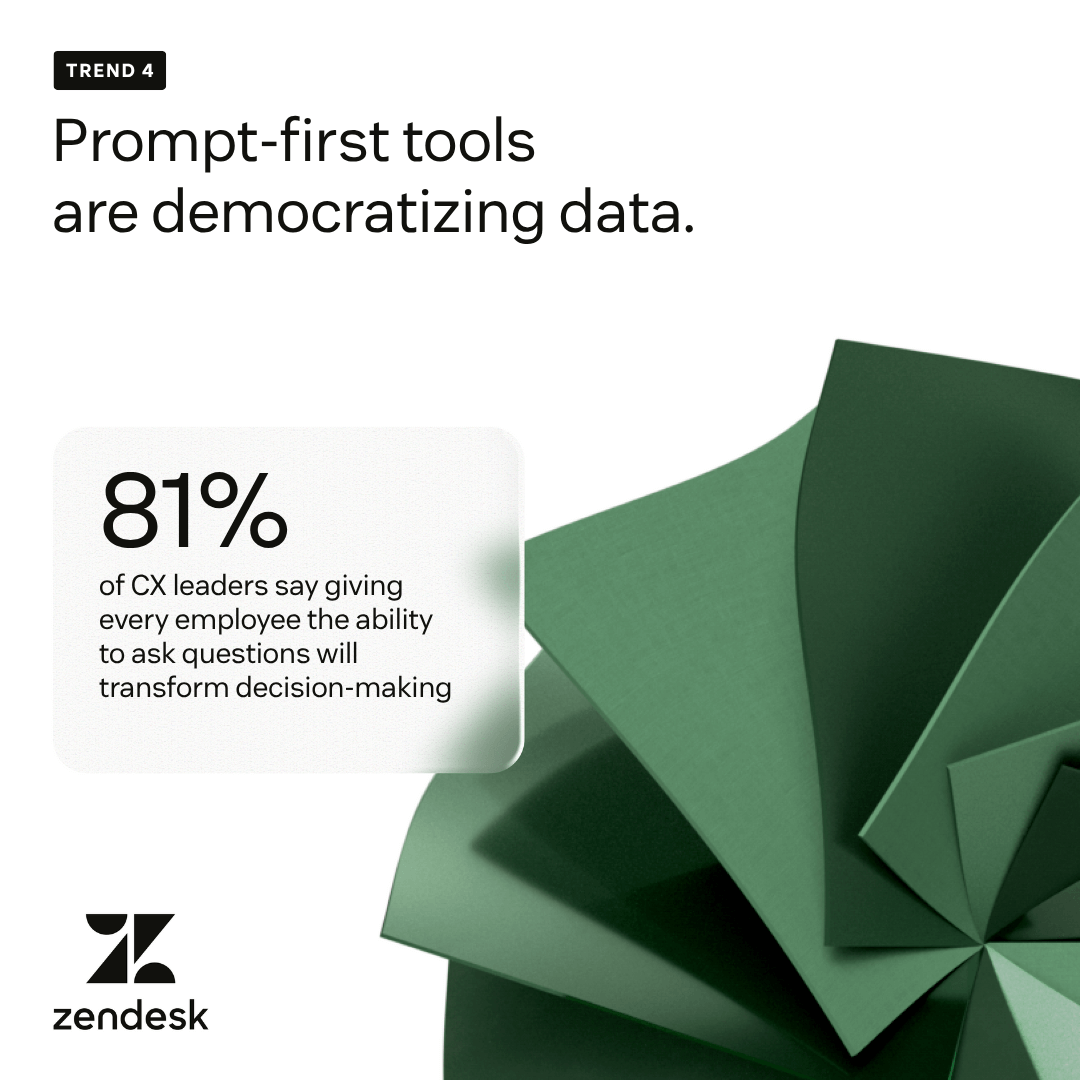
Prompt-Driven Analytics: How CX Leaders Get Answers Without Waiting on Reports
Why Traditional CX Reporting Is Too Slow
Most CX teams still rely on dashboards built weeks ago.
You wait for analysts to:
- Pull data
- Clean it
- Build slides
- Share a summary
By the time the report lands, the issue has already moved.
This is the main problem with traditional AI customer service reporting and dashboards. They show what happened but rarely explain why or what to do next.
For operations leaders, that delay creates risk:
- Escalations grow before you see them
- Costs increase before you notice
- AI automation fails quietly
Speed is important. Static reporting can’t keep up.
What Prompt-Driven Analytics Looks Like in Practice
Prompt-driven analytics lets you use questions instead of dashboards.
Instead of filtering charts, you type:
- “Why did CSAT drop last week?”
- “Which AI responses caused the most escalations?”
- “What’s driving longer handle times in enterprise accounts?”
- “Compare resolution time before and after Copilot rollout.”
The system analyses structured and unstructured data instantly and returns:
- A direct answer
- Supporting metrics
- Contributing factors
- Suggested next questions
This is where AI analytics for customer experience becomes useful, not just theoretical.
It makes reporting feel like a conversation.
How Natural Language Queries Change Decision-Making
Natural language queries remove the bottleneck between leadership and data.
You no longer need:
- SQL knowledge
- A data team intermediary
- Pre-built dashboards
This changes how decisions are made in three main ways:
1. Faster executive insight
Leaders can validate assumptions in seconds.
2. Deeper operational clarity
Instead of “ticket volume increased,” you get:
“Ticket volume increased 14% due to failed bot intents in billing queries.”
3. Continuous optimisation
Prompt-driven analytics encourages ongoing questions, not monthly reviews.
This shift moves CX from reactive reporting to active management.
New AI-Specific CX Metrics That Matter
Traditional CX metrics AI discussions focus on:
- CSAT
- NPS
- First response time
- Resolution time
Those still matter.
But AI-enabled support introduces new performance indicators:
AI Containment Rate
How many issues are fully resolved without human involvement?
AI Escalation Quality
When AI hands off to a human, is context preserved?
Intent Failure Rate
How often does AI misunderstand customer requests?
Cost per Automated Resolution
Are you truly reducing costs, or just moving them elsewhere?
These metrics help CX leaders measure the real impact of automation. Without these, AI analytics only scratches the surface.
Why CSAT Still Matters (But Isn’t Enough)
CSAT is still one of the clearest indicators of customer perception.
But relying on CSAT alone hides operational issues. For example:
- CSAT remains stable
- AI containment drops
- Agent workload increases
- Cost per ticket rises
You might not see a drop in satisfaction right away, but the strain on your operations is growing.
Prompt-driven analytics helps connect:
- Sentiment
- Operational data
- AI performance
- Financial impact
Modern AI customer service reporting should give you the full picture.
Where this fits in CX Trends for 2026
We have brought these ideas together from the CX Trends 2026 report, which includes practical examples and advice for CX leaders.
👉 Download the CX Trends 2026 PDF
As a Zendesk Premier Partner, Gravity CX works with teams to apply these changes in real support environments.
How Zendesk Is Enabling This Shift
Platforms like Zendesk are moving beyond dashboards.
With AI-powered reporting and natural language queries, CX teams can:
- Ask direct questions about performance
- Analyse ticket themes instantly
- Understand AI bot effectiveness
- Track AI-driven cost changes
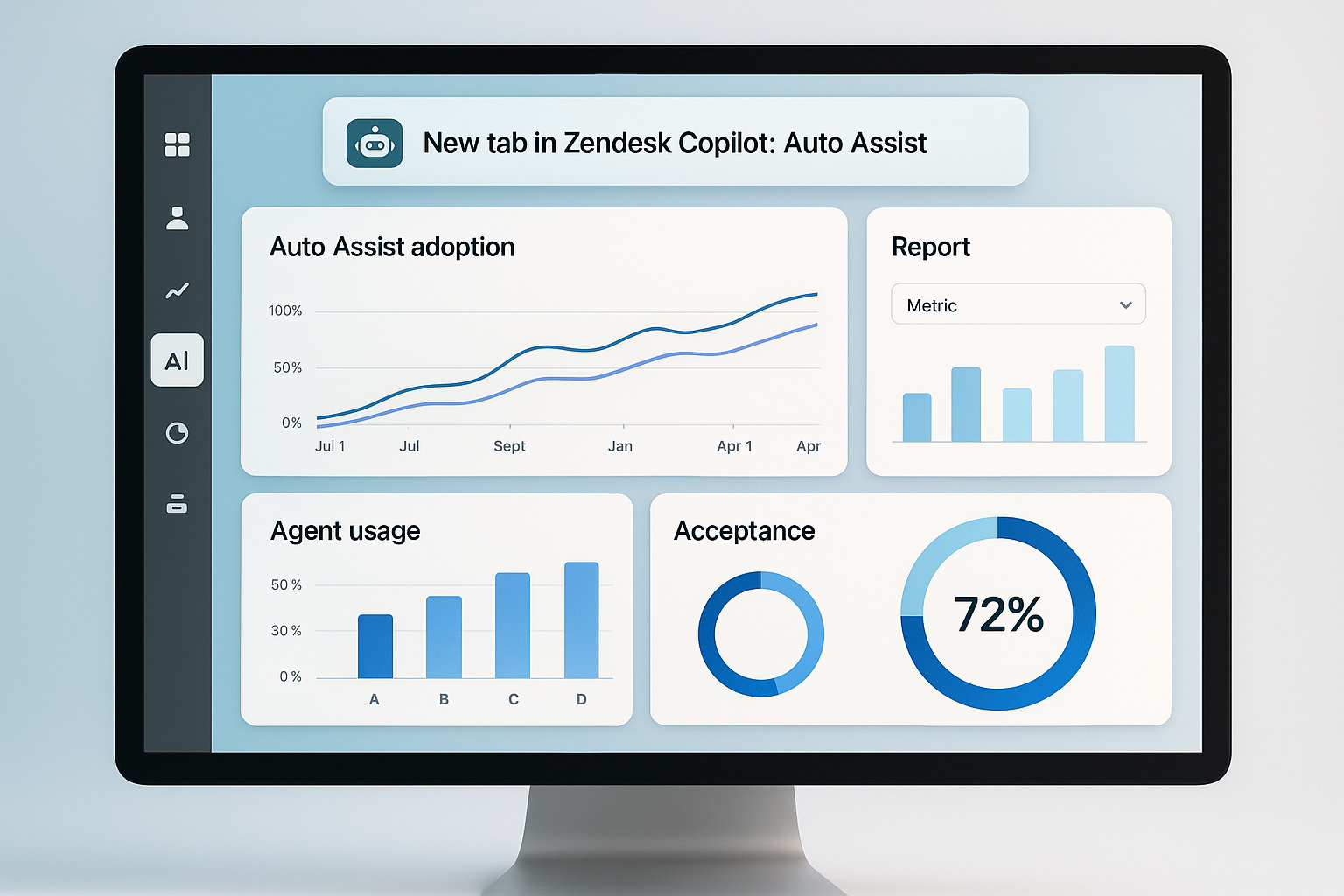
Zendesk’s AI tools (including Copilot and advanced analytics) are helping teams move toward prompt-based reporting models.
If you’re already exploring AI in support, you may also want to read our breakdown of pricing and cost considerations to understand the financial impact of AI features.
The future of reporting isn’t just another dashboard. Instead, it will feel like a conversation with your data.
Frequently Asked Questions
What is prompt-driven analytics in customer experience?
Prompt-driven analytics allows CX leaders to ask questions in plain language and receive instant, AI-generated insights instead of relying on static dashboards.
How does AI analytics for customer experience improve decision-making?
AI analytics for customer experience reduces reporting delays, identifies root causes faster, and connects operational data with customer outcomes.
What are the most important AI CX metrics?
Beyond CSAT and NPS, leaders should track AI containment rate, intent failure rate, AI escalation quality, and cost per automated resolution.
Is AI customer service reporting replacing traditional dashboards?
Not entirely. Dashboards still provide overviews, but prompt-driven analytics offers deeper, faster insight when leaders need answers immediately.
Can Zendesk support prompt-driven analytics?
Zendesk’s AI-powered analytics and Copilot tools are moving toward natural language reporting, helping teams analyse performance without manual report building.
.png)