

Introduction
Text-based support was once sufficient. By 2026, customers will expect help through voice, video, images, and chat, often all within a single conversation.
Key Takeaways
- Omnichannel support connects different channels, but it does not change the way problems are solved.
- Multimodal customer support lets customers use voice, video, images, and text together.
- Customers pick video or voice when problems are complex, emotional, or need to be shown visually.
- AI now understands images, video, tone, and speech, not just text.
- Teams can get ready for multimodal support without having to rebuild their whole CX setup.
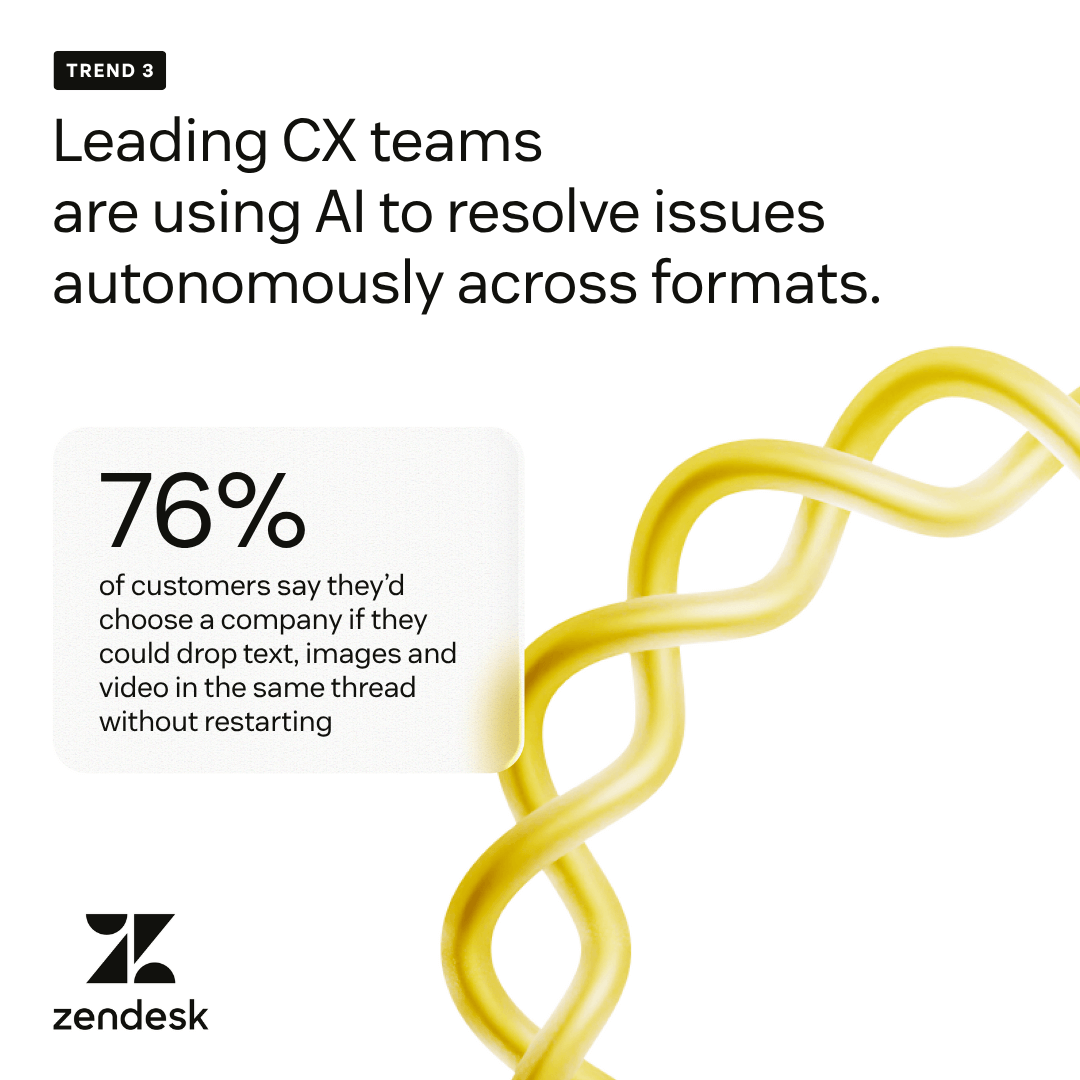
Why omnichannel isn’t enough anymore
For a long time, omnichannel support was the main goal.
Email, chat, phone, and social messages all came into one system. Context followed the customer, and agents could see the conversation history. This was a big improvement over separate channels.
But omnichannel still relies on one idea:
It assumes that text is the main way customers explain their problems. This is no longer the case.
Customers now try to:
- Show problems using screenshots or videos
- Explain urgency through tone of voice
- Walk agents through issues in real time
Omnichannel connects where conversations happen.
Multimodal support changes how problems are explained and solved. Many CX teams are beginning to notice this gap.
What multimodal customer support actually means
Multimodal customer support lets customers use different types of input in the same support experience.
That includes:
- Text and chat
- Voice conversations
- Images and screenshots
- Short videos or screen recordings
The main difference is flexibility.
Customers do not have to turn a visual problem into text. They can simply show it. They do not need long explanations if a voice note or quick call is easier. This is why the difference between omnichannel and multimodal support matters.
Omnichannel means connected channels. Multimodal means richer communication within those channels. In practice, multimodal support makes things easier because customers don't have to work around support limitations.
When customers prefer video or voice
Text works well for simple, repeatable problems. But customers often switch to video or voice when:
- The issue is visual (UI bugs, hardware problems, setup issues)
- The situation feels urgent or emotional
- Explaining in writing takes too long
- They’re not sure how to describe the problem
This is why video support in customer service keeps coming up in CX conversations. A 20-second screen recording can replace ten back-and-forth messages. A short voice message often gives agents context that text cannot provide.
Customers do not want to use video or voice for every issue. They want these options when it makes things simpler.
How AI now understands images, video, and tone
Multimodal support only works if systems can understand more than text alone. This is where AI has advanced quickly.
Modern AI can now:
- Read screenshots and identify UI elements
- Transcribe and understand voice conversations
- Detect tone and urgency in speech
- Extract meaning from short videos
This is especially important for AI voice and chat support, where AI does more than route requests; it helps interpret them.
Instead of asking follow-up questions like “Can you explain what you’re seeing?”, AI can add context, summarise issues, and guide the next step. Platforms like Zendesk are already moving in this direction by combining AI with shared customer context across channels.
You can see how this fits into broader CX tooling on the Zendesk AI overview page.
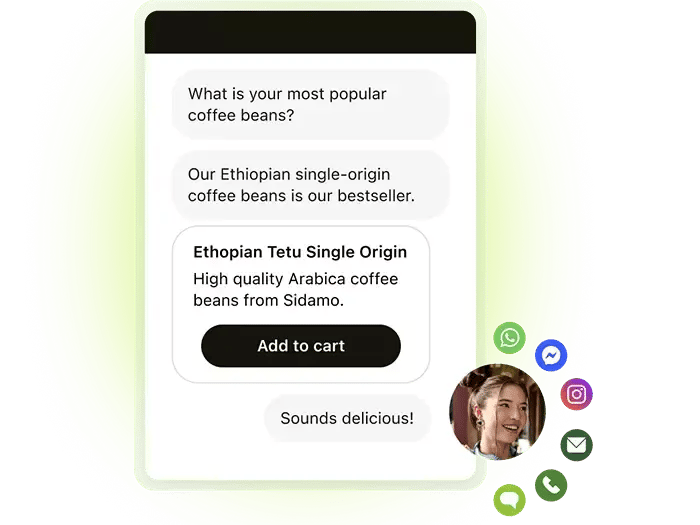
Real CX use cases teams are already seeing
Multimodal support is not just a theory. Teams are already using it in practical ways.
Common examples include:
- Customers uploading screenshots to explain billing or account issues
- Short videos showing broken workflows or bugs
- Voice used for escalations where emotion matters
- AI summarising voice and video input before agent handoff
In B2B support, multimodal input especially reduces time-to-resolution because customers do not need to simplify complex problems.
This is how multimodal customer support directly improves resolution speed and customer confidence.
How to prepare without overcomplicating things
Most teams do not need to rebuild their CX systems.
Preparing usually starts with a few basics:
- Make it easy for customers to share images or videos
- Ensure voice and chat share the same context
- Keep knowledge structured so AI can use it
- Decide when human involvement is required
The biggest mistake teams make is treating multimodal support as just a new feature instead of a workflow change.
The goal is not to add more channels. It is to reduce misunderstandings.
If you’re already using a central support platform, multimodal capabilities often layer on top of what you have.
Where this fits in CX Trends for 2026
Multimodal support is one of several changes that are reshaping customer experience.
It is closely connected to other 2026 trends such as AI-led resolution, smarter self-service, and fewer handoffs. We have brought these ideas together in our CX Trends 2026 report, which includes practical examples and advice for CX leaders.
👉 Download the CX Trends 2026 PDF
As a Zendesk Premier Partner, Gravity CX works with teams to apply these changes in real support environments.
Final thought
Customers do not think about channels. They think in problems.
Multimodal support meets customers where they are by using the fastest and clearest way to explain what is wrong.
By 2026, text-only CX will not feel simple. It will feel limiting instead.
Frequently Asked Questions
What is multimodal customer support?
Multimodal customer support allows customers to use text, voice, images, and video together to explain issues and get help.
How is omnichannel different from multimodal support?
Omnichannel connects support channels. Multimodal support focuses on multiple input types within those channels, like voice, images, and video.
Why is video support useful in customer service?
Video helps explain visual or complex issues faster, reducing back-and-forth and misunderstandings.
How does AI support multimodal CX?
AI can analyse images, transcribe voice, detect tone, and summarise context before a human agent gets involved.
Is multimodal support only for large teams?
No. Many teams can start by allowing image uploads, voice context, and shared history without major system changes.